Language

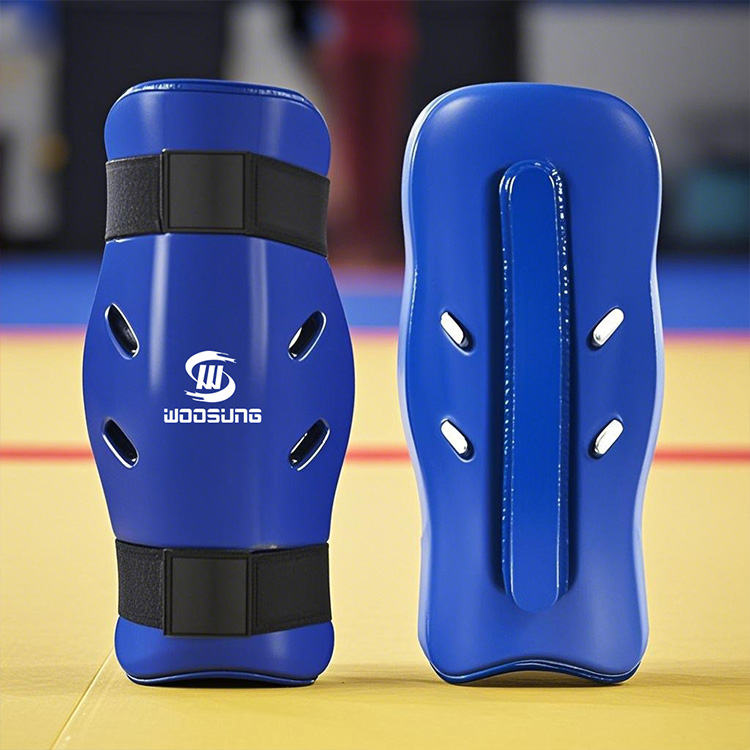
In karate, the legs are both weapons and targets. Whether you are training in the dojo, sparring with partners, or competing in tournaments, the shin is one of the most frequently struck areas of the body. A well-designed shin guard does more than just absorb impact—it allows you to train with confidence, extend your training sessions, and reduce the risk of injury that can sideline you for weeks. The practicality of a karate shin guard rests on four pillars: protection performance, material quality, fit and comfort, and proper maintenance.
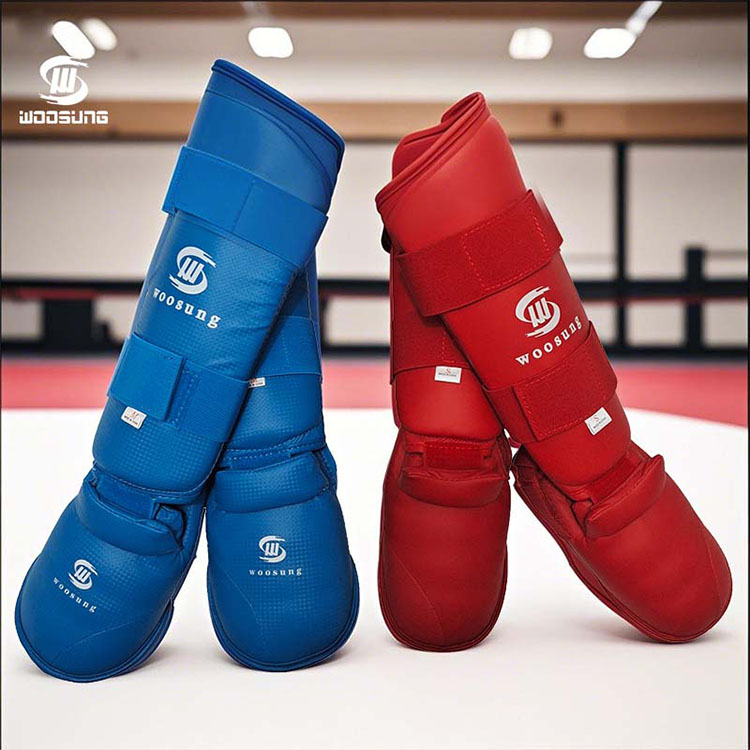
Unlike some other martial arts that use heavy padding, karate emphasizes speed, precision, and control. However, even controlled strikes carry significant force. The shin bone, covered only by a thin layer of skin and minimal muscle, is highly vulnerable to impact injuries.
Common injuries from unprotected shin-to-shin contact include:
Bone bruises and periostitis — inflammation of the membrane covering the bone
The outer layer absorbs and disperses the force of an incoming strike. Common materials include:
| Material | Characteristics | Best For |
|---|---|---|
| Synthetic leather / PU | Lightweight, flexible, easy to clean | General training, beginners |
| Polyurethane foam | Excellent shock absorption, durable | Frequent sparring, high-intensity training |
| Hard plastic insert | Maximum protection, rigid | Competition, heavy-contact drills |
Most modern karate shin guards use a layered construction—a rigid shell covered with soft padding to balance protection and comfort.
The inner layer sits directly against the leg, providing cushioning and sweat absorption. Key features to look for:
High-density foam — absorbs residual impact and prevents bone bruisingThe way a shin guard stays in place is critical to its effectiveness:
Velcro straps: The most common system, offering adjustable tension and quick on-off convenience. Multiple straps (typically 2-4) provide more even pressure distribution.Quality shin guards are pre-curved to match the natural shape of the leg. This ensures:
The guard stays in place during dynamic movement
Selecting the right shin guard is about matching the product to your specific needs. Consider these factors:
| Training Type | Recommended Protection Level | Key Features |
|---|---|---|
| Light technique drills | Light to moderate | Soft foam, minimal bulk, high mobility |
| Medium sparring | Moderate to heavy | Hard shell insert, secure straps, full shin coverage |
| Competition | As per tournament rules | Often required: WKF-approved padding, specific thickness limits |
| Children / beginners | Light to moderate | Comfort-focused, easy to put on, colorful designs |
A shin guard that does not fit correctly is worse than no protection at all. Proper fit means:
Length: The guard should cover the entire shin from just below the knee to just above the ankle. The bottom edge should not dig into the top of the foot.
Width: It should wrap around the leg without pinching or leaving excessive gaps on the sides.
Secure hold: When you move, kick, or pivot, the guard should stay firmly in place without needing constant adjustment.
Measuring tip: Measure the circumference of your calf at the widest point and the length from knee to ankle. Compare with the manufacturer's size chart—do not guess.
Heavier shin guards offer more protection but can slow down your kicks. For karate, where speed is paramount, finding a balance is crucial. Many modern guards use lightweight composite materials to keep weight low while maintaining impact resistance.
During a hard training session, your legs will sweat. Poor ventilation leads to:
Uncomfortable slipping inside the guard
Skin rashes or irritation
Unpleasant odor buildup
Look for guards with ventilation holes, breathable mesh panels, or moisture-wicking liners.
| Price Range | Typical Quality | Expected Lifespan |
|---|---|---|
| Budget (under ¥200) | Basic foam, synthetic cover | 6-12 months of light use |
| Mid-range (¥200-¥500) | Good foam density, durable stitching | 1-2 years of regular training |
| Premium (¥500+) | High-grade materials, anatomical design, brand reputation | 2-5 years with proper care |
Even the best shin guard is useless if not worn properly.
Position the guard: Place the center of the guard over the center of your shin, just below the knee cap.
Align the foot opening: Make sure the bottom edge sits comfortably above the ankle joint, not restricting your foot's natural flexion.
Secure the lower strap first: This anchors the guard at the narrowest point of the lower leg.
Secure the upper strap second: Tighten this to hold the guard firmly against the calf.
Adjust all straps: The guard should be snug but not cutting off circulation. You should be able to slide one finger between the guard and your leg.
Test with movement: Perform a few kicks to confirm that the guard does not rotate or slide down.
| Mistake | Consequence | Correct Practice |
|---|---|---|
| Straps too tight | Cramping, restricted blood flow | Snug but comfortable |
| Straps too loose | Guard rotates on impact, exposes shin | Firmly secured, no movement |
| Guard too long | Restricts ankle flexion, causes trip hazard | Bottom edge above ankle |
| Guard too short | Leaves part of shin exposed | Full coverage from knee to ankle |
| Wearing over pants | Slippage during movement | Directly over skin or thin leg sleeves |
Air dry after each use: Never store wet shin guards in a closed bag. Moisture promotes bacterial growth and degrades materials.
Wipe down: Use a damp cloth with mild soap to remove surface sweat and dirt.
Check for wear: Examine straps, stitching, and padding for signs of degradation.
| Frequency | Task |
|---|---|
| Weekly | Wipe interior with antibacterial wipe or mild disinfectant |
| Monthly | Hand wash with mild soap and lukewarm water (check manufacturer instructions first) |
| As needed | Deodorize with baking soda or specialized sports gear spray |
Signs that it is time for a new pair:
The padding has become permanently compressed and no longer absorbs impact
Tournament regulations often specify allowable shin guard types. In WKF (World Karate Federation) sanctioned events:
Shin guards must be of the soft type (no hard plastic shells)Always check with your tournament organizer before purchasing competition-specific guards.
Children's shin guards should prioritize:
Easy on-off: Velcro closures are better than pull-on sleevesSome practitioners experience skin reactions to synthetic materials. Options include:
Guards with cotton inner liners
| Feature | Entry-Level | Mid-Range | Premium |
|---|---|---|---|
| Shell material | PU-coated foam | Durable synthetic with foam core | Multi-layer composite |
| Padding density | Low to moderate | Moderate to high | High-density, anatomically shaped |
| Closure system | Basic hook-and-loop | Multi-strap with elastic | Advanced closure with anti-slip |
| Weight | Heavier | Moderate | Lightweight |
| Ventilation | Minimal | Moderate | Excellent |
| Typical use | Beginners, light drills | Regular sparring, club training | Competition, intensive training |
Karate shin guards are an essential investment in your training longevity and safety. Their practical value lies not just in preventing pain, but in enabling you to push your limits, refine your techniques, and participate in meaningful partner work without hesitation. Choose a guard that fits properly, matches your training intensity, and is made from quality materials. Inspect it regularly, care for it properly, and replace it when it shows signs of wear. Your shins carry you through every kick, every pivot, and every session—they deserve the protection that allows them to endure.