Language

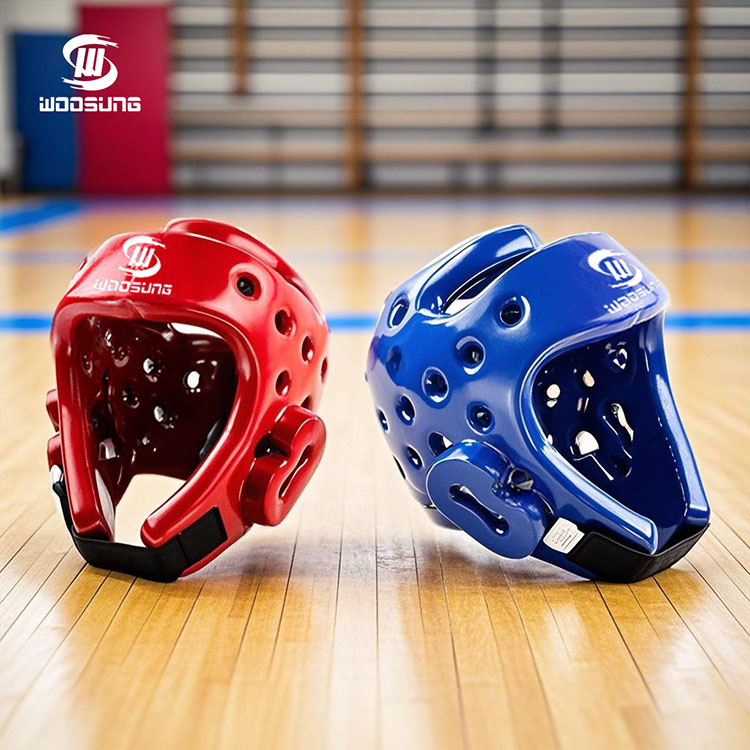
Boxing is a sport that combines speed, technique, strength, and reaction ability. While athletes spend a lot of time improving punches and footwork, protective equipment is equally important. Among all boxing gear, the Boxing Head Guard is one of the most recognized pieces of protective equipment.
A head guard is designed to reduce the impact of accidental strikes during training and competition preparation. Although it cannot completely eliminate the force generated by punches, a well-designed boxing head guard can help improve comfort, confidence, and training safety.
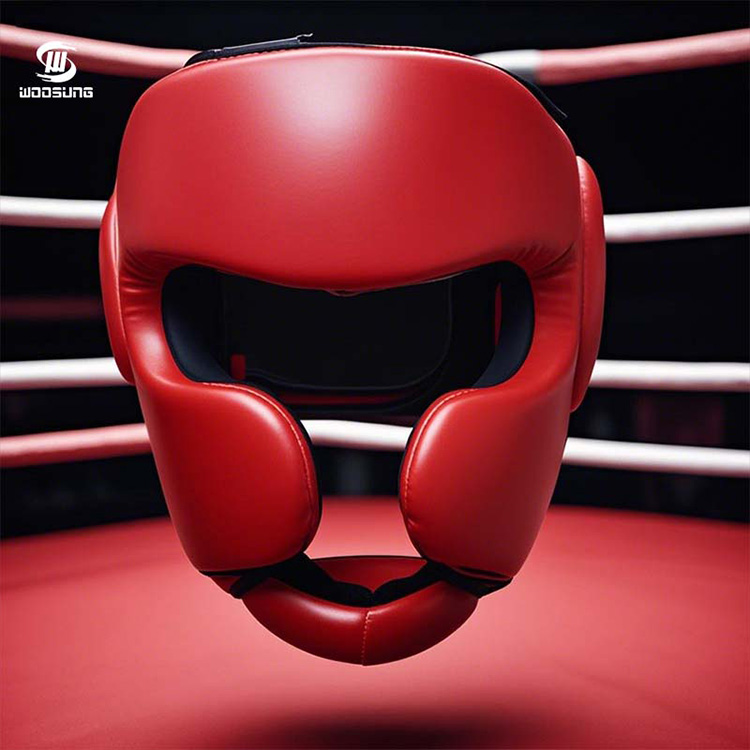
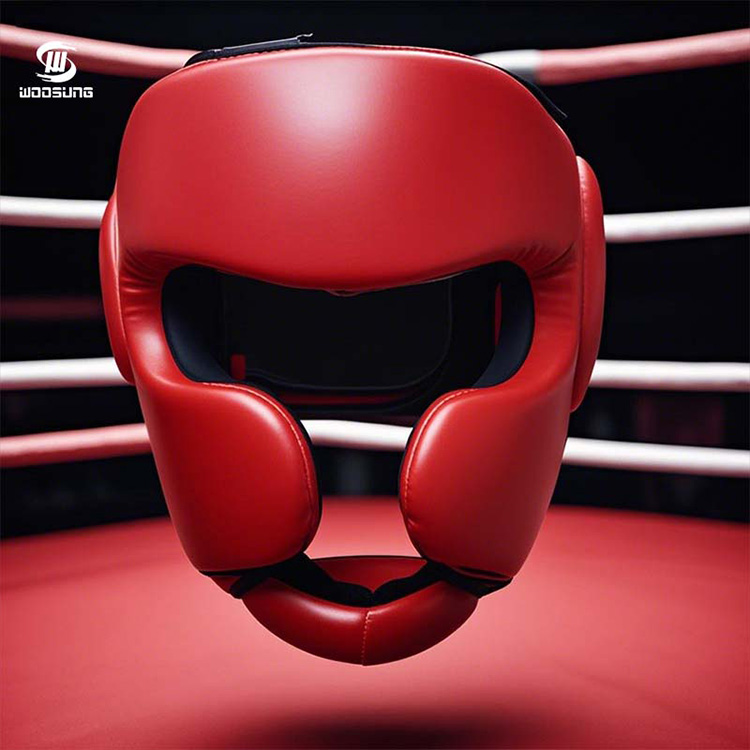
A Boxing Head Guard is protective equipment worn around the head and face during boxing practice, sparring, and combat training.
Its main purpose is to provide protection for areas that are more vulnerable to impact, including:
Forehead
Cheeks
Chin
Ears
Side of the head
Most boxing head guards are made from layers of impact-absorbing materials covered with durable synthetic leather or genuine leather.
Many people think a head guard simply works like a cushion, but its design involves several protective principles.
1. Impact Distribution
When a punch lands, the force is concentrated in a small area.
The padding inside the head guard helps spread the impact over a larger surface, reducing pressure on a single point.
2. Shock Absorption
Modern head guards often use materials such as:
EVA foam
High-density foam
Multi-layer padding systems
These materials absorb part of the impact energy through controlled compression.
3. Stable Positioning
A head guard that moves during training may reduce protection.
Therefore, good designs focus on:
Adjustable straps
Secure chin fastening
Comfortable fit
Balanced weight distribution
A stable head guard allows athletes to focus on technique instead of constantly adjusting their equipment.
This is a topic that often surprises beginners.
Many people assume more protection always means better protection. However, head guards mainly reduce certain types of external injuries, such as cuts and surface impact.
They do not completely prevent the brain movement caused by acceleration and rotation forces.
This is why professional training programs often use different approaches depending on the purpose:
Technical drills may use lighter protection
Sparring sessions may require head guards
Competition rules vary by organization
The goal is to balance protection, realistic training, and athlete safety.
Different Types of Boxing Head Guards
1. Open Face Head Guard
This design leaves the face area more open.
Advantages:
Better visibility
Easier breathing
Less feeling of restriction
Commonly used for:
Technical training
Regular sparring
2. Full Face Head Guard
This type provides additional coverage around the face.
Protection areas may include:
Cheeks
Nose area
Chin
It is often preferred by beginners or athletes focusing on maximum facial protection during training.
3. Competition Style Head Guard
Designed according to specific competition requirements.
Features usually include:
Lightweight structure
Good visibility
Reduced bulk
Although the outside appearance looks simple, material selection affects performance significantly.
|
Material |
Function |
|
Leather |
Durable exterior surface |
|
Synthetic leather |
Cost-effective and easy maintenance |
|
EVA foam |
Shock absorption |
|
High-density foam |
Impact protection |
|
Mesh lining |
Improved ventilation |
A good combination of materials can provide both protection and wearing comfort.
A common misunderstanding is:
“Thicker padding means safer protection.”
In reality, excessive thickness may create problems:
Reduced visibility
Increased weight
Poor movement
Limited head mobility
A properly fitted head guard should:
Stay firmly in place
Allow normal breathing
Provide sufficient vision
Avoid excessive pressure points
The best design is not always the thickest one, but the one that balances protection and usability.
1. Choosing the Wrong Size
A loose head guard may shift during movement, while a tight one can cause discomfort.
Users should check:
Head circumference
Strap adjustment range
Internal padding fit
2. Ignoring Ventilation
Intense boxing training generates heat quickly.
Poor ventilation can lead to:
Excessive sweating
Discomfort
Reduced concentration
Many modern designs include ventilation openings or breathable inner materials.
3. Not Maintaining the Equipment
Sweat and moisture can affect the lifespan of protective gear.
Recommended maintenance:
Wipe after use
Allow proper drying
Avoid long-term storage in humid environments
Beginners
Focus on:
Comfortable fit
Good facial coverage
Easy adjustment
Beginners often need equipment that helps them train with confidence.
Experienced Athletes
May prioritize:
Lightweight construction
Better visibility
Freedom of movement
Boxing Gyms
For shared equipment, important factors include:
Durability
Easy cleaning
Adjustable sizing
Protective sports equipment is becoming more technology-focused.
Future boxing head guards may include:
Lighter impact-resistant materials
Improved ventilation structures
Better ergonomic designs
Smart sensors for impact analysis
With advances in material science, manufacturers continue exploring ways to improve protection without making equipment bulky.
A Boxing Head Guard is not just a piece of protective equipment; it is an important part of responsible training. Its effectiveness depends on design, materials, fitting, and proper use.
Whether used by beginners learning basic techniques or experienced athletes during intensive training, a suitable head guard helps create a safer and more comfortable boxing environment while allowing athletes to focus on improving their skills.